
From Europe to Australia: tracing the roots of migrant ancestors – Mini Seminar
March 28 @ 9:00 AM - 1:00 PM AEST
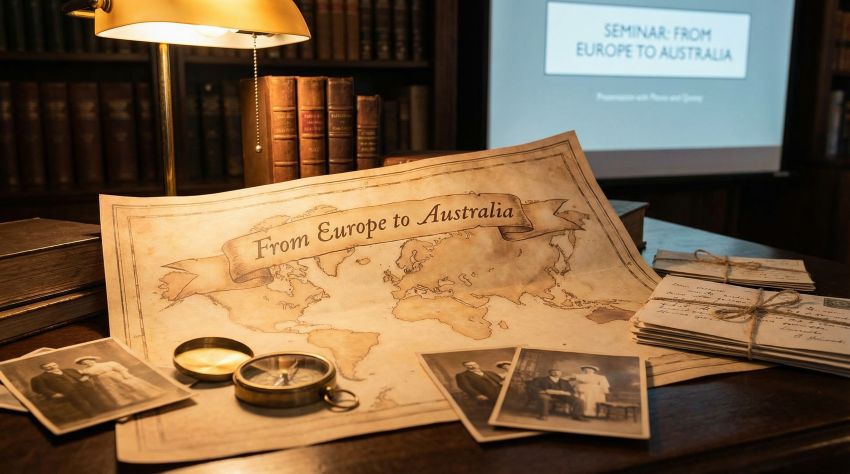
Many of us will have European ancestors that came to Australia or even New Zealand in our history. Many left their homelands to come to Australia for a large variety of reasons. But all wanted to make a go of it and experience the freedom we have to own land, educate our children and plenty to eat. Which was not always possible in some countries due to wars, depressions and persecutions.
If it is a few generations back, then many of the stories that were told or handed down will now have gone or changed so much you don’t really know what the full truth was. As we all know when many arrived here their names were Anglicised to make it easier for people to pronounce their names. Eg. Petro became Peter and Maria became Mary. Language of a different country often makes it difficult for us to know where to find the records and what records do exist and how to use them for our family history.
Come and join 5 Fantastic Presenters in a mini seminar to learn about what life was like before and after they arrived in Australia; what and where to find records and how to make advancement in tracing the roots of your migrant ancestors.
Eastern European Family History Online:
Without leaving your home, you can research your family’s origins in Eastern Europe. DNA testing and the rapidly increasing range of online databases are changing the way we research family history in Eastern Europe. Plenty of resources are available, but they are not necessarily on the usual family history sites. This session will provide ideas for pushing your research in new directions, and suggest tools that would make your work easier. It should be possible to sort out problems and questions regarding language, geography, history and boundary changes.
 Presenter:
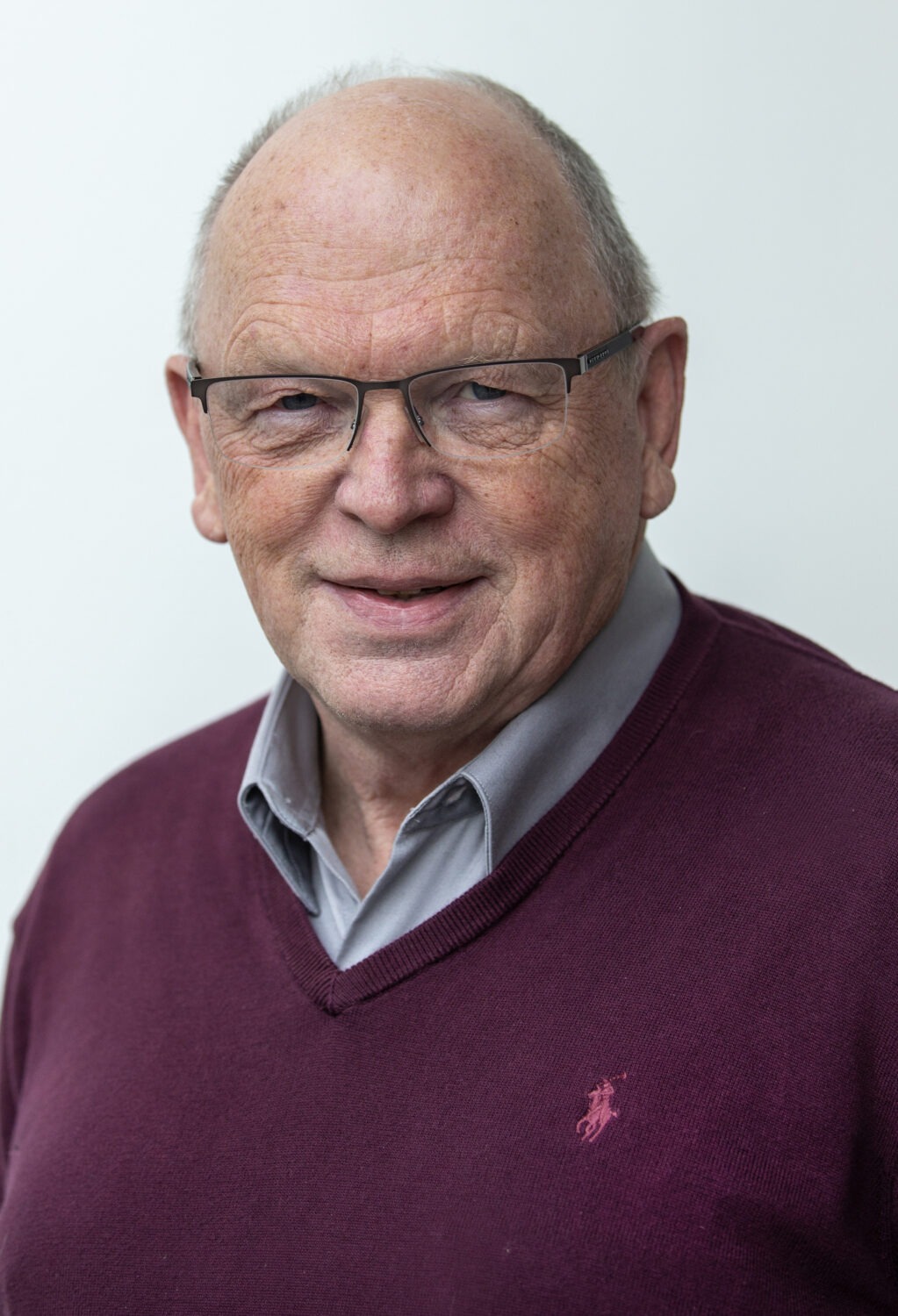
Dave Obee
Dave Obee is a Canadian journalist and genealogical researcher who has written a dozen books and given more than 700 presentations at conferences and seminars in Canada, the United States and Australia since 1997. He is Editor and Publisher of the Times Colonist in Victoria, British Columbia. The University of Victoria has awarded him an honorary doctorate of laws for his work as a historian, genealogist and journalist. In 2023, the university named Dave an honorary librarian and archivist.
He has been researching family history for more than four decades. His father’s ancestors came to Canada from England and Ireland in the 19th century, and his mother was born in the Soviet Union and came to Canada with her parents in 1928. He has travelled extensively in Eastern Europe in pursuit of his ancestors, and has already booked a flight to Poland for March 2026.
Italian Family History:
“This session will cover how to start your Italian family research. It begins with finding Australian arrivals and then moves back to researching in Italy. You’ll learn about the records held in Italy – how to find them, and how to read them. These include records created by civil authorities, the Roman Catholic church, and cemetery records. We’ll also discuss how to navigate Italy’s complicated history to find the right archive, and look at various online resources.”
 Presenter:
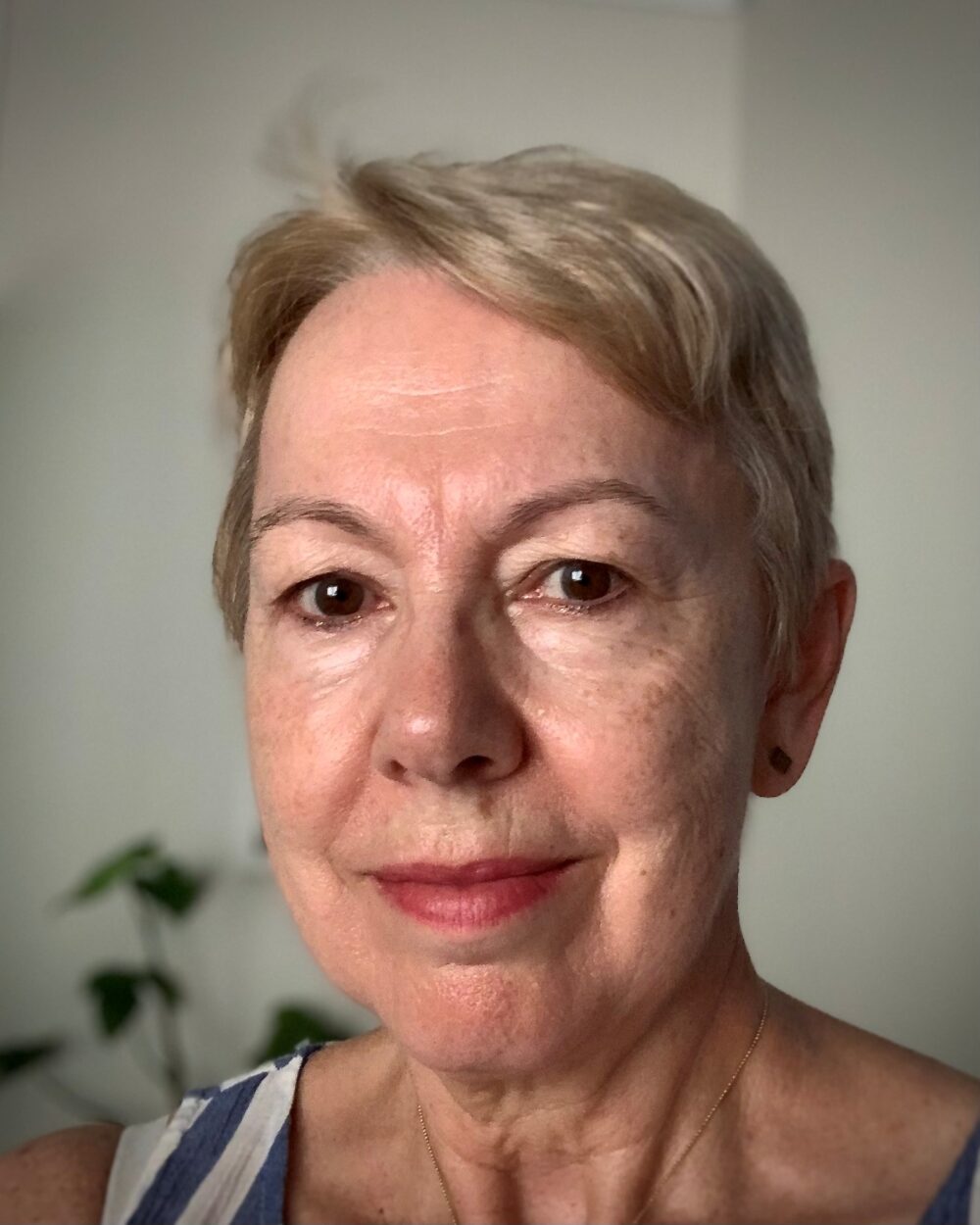
Charlotte Sale
Charlotte has a long professional background in research, organisational change, and communication. More importantly, she is the holder of family stories for her family, near and far, and regularly swaps granny snaps with her first, second and third cousins in Australia, the UK, Italy, Spain, and South Africa.
Completing several courses on researching in Italy with the National Institute for Genealogical Studies, Charlotte honed her skills in accessing Italian family history resources online. She also worked with an Italian genealogist, obtaining copies of original records tracing her family in Lombardy (northern Italy) back to 1700. She visited Italy just before COVID, visiting and researching the lives of her Italian forbears.
She is a regular presenter on a variety of topics for both GSQ and QFHS as well as others.
My ancestors were German: Can I research my family history:
Some might think that researching the family history of our German ancestors would be too difficult. This presentation aims to correct that misconception by outlining what we need to do to get started, warning of some some traps to avoid, and showing examples of German records that are so useful in family research.
 Presenter:
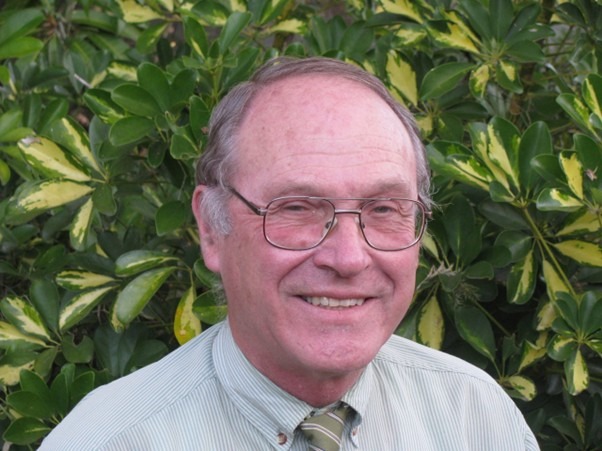
Eric Kopittke
Eric studied at the University of Queensland and was awarded a B.Sc., B.A. and a Diploma of Education. He retired in 2014 after teaching Physics and Mathematics at St Peters Lutheran College, Indooroopilly for over 40 years.
A family historian, presenter, and author with a strong interest in Germany and the former German Empire, Eric has been actively researching his family since 1985 – in Australia, England, and present and former parts of Germany – and has been a member of the Queensland Family History Society for all of that time. For over 30 years he has convened the Society’s Central European Special Interest Group.
Probably best known for the series Emigrants from Hamburg to Australasia: 1850-1879 which was completed with his wife Rosemary, Eric received the Queensland FHS Award for Services to Family History (1990); was made a Fellow of the Queensland FHS (2000); and in 2006 was awarded the AFFHO Award for Meritorious Services to Family History.
Diaspora: The Greek migrant experience in Queensland:
Did you know that the word ‘diaspora’ is a Greek word meaning ‘dispersion’?
5 million Greeks are estimated to live in countries outside of Greece, and in the years after the Second World War, Australia became home to more than 350,000 Greek migrants in search of a better future.
Today, Queensland boasts a vibrant, close-knit Greek-Australian community, with more than 30,000 people in the state who claim Greek ancestry.
Join us to explore migrant selection documents, arrival records, and alien registration papers from the national archival collection that document the Greek migrant experience in Queensland.
 Presenter:
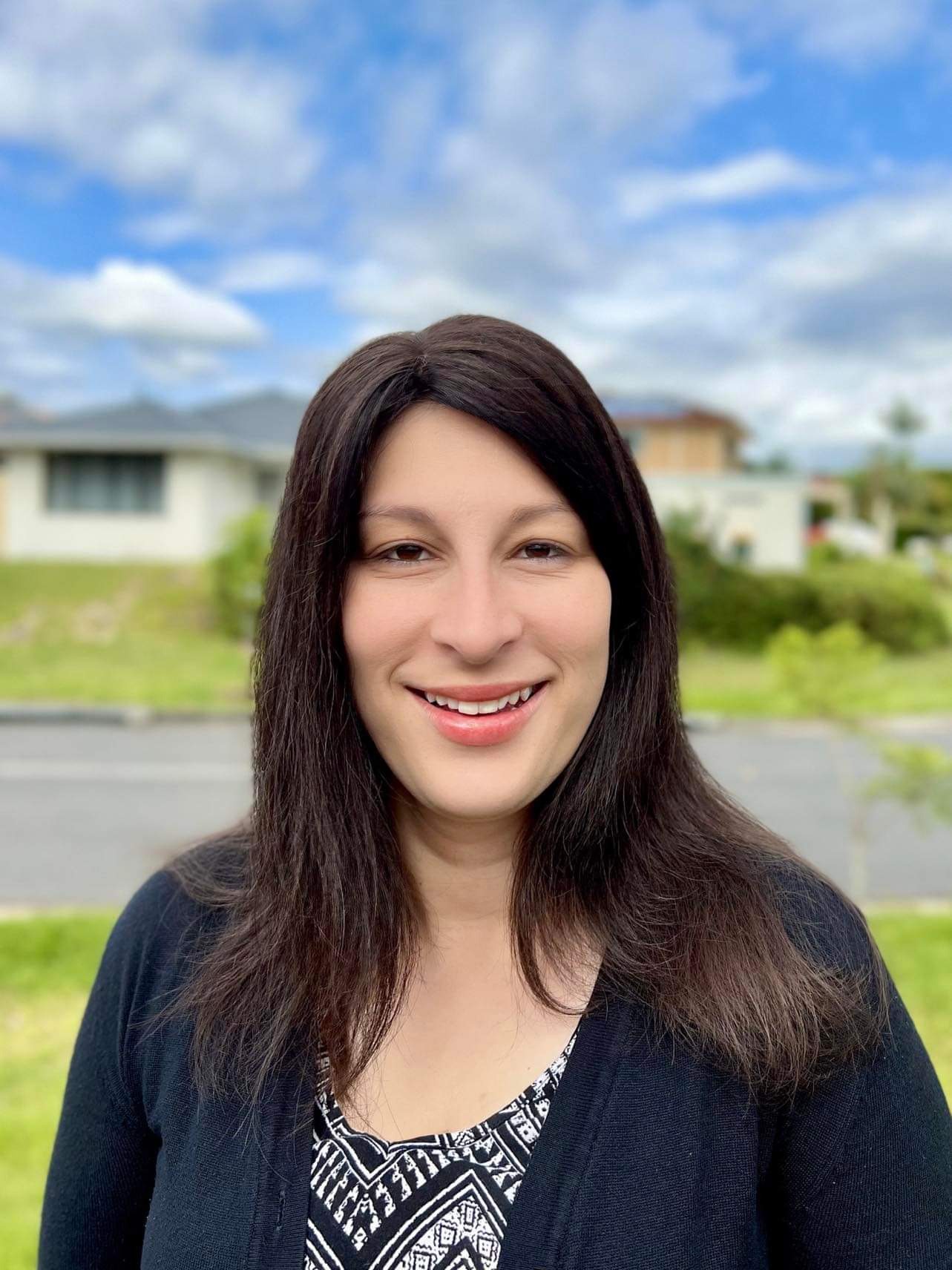
Eve Terry
Eve Terry is Manager of Public Engagement for the National Archives of Australia, Queensland.
Eve’s experiences as a second-generation Greek Australian, have led to her choice of career and her passion for connecting people to their heritage through Australian Government records.
30 minute presentation on what European records are available on MyHeritage:
MyHeritage has a very large and varied database covering the following countries of which at times were classified as European countries.
Germany, Prussia, Italy, France, Spain, Poland, Switzerland, Austria, Belgium, Greece, Hungary, Ukraine and a few others.
All have a variety of records covering Births, Deaths and Marriages, Migration records, WW1 and WW2, Census, Church Records and Newspapers.
Not everything is available or covered but they do have an extremely good lot of records to search through.
GSQ has Library Diamond Subscription for its members to access in the Resource Centre at Wishart, plus at home via the Members Area.
Presenter: TBA
MyHeritage
Tickets will close at 8am Saturday 28 March 2026
The link is included in your registration payment – Please make sure you retain this.
Registrants will be able to view the recording for the following month.
QFHS and any GSQ Affiliate members you will be required to put in the code given to you to use. This will then action the discount for you. (please contact your secretary if you do not know it)
How to book an Education Event
On the Events Calendar find the event.
If you are a GSQ member you need to click on the Sign In.
Put in your email and password that you use to Sign In to your MembershipWorks personal portal.
The GSQ Member selection is at the top of the list. Select 1 for the quantity of tickets you require. Do not use the other boxes unless you are an Affiliate/Corporate Member of from QFHS as they have been given a special code to obtain a discount.
The program should automatically fill in your personal details into the boxes requiring information. If it does not then please enter all that is required.
If you are intending to pay by a Bank Transfer or at GSQ by Cash or EFTPOS – please make sure it is a Yes in the box asking the question.
If you are not paying by Bank Transfer, please make sure it is a No.
If you are paying by Bank Transfer or at GSQ just Click in the spot where the Bank Account details are and press Register.
If you are paying by Credit Card, put your name, credit card number, and expiration date in the boxes. Once those have been entered the provision for the CVC on your card will become visible. All of these details must be entered and then press Register.
You will be sent an email, straight away, with a copy of your registration to the event.
You must keep this registration as it has the link on it to attend the Zoom meeting.
Payment types
Credit Card:
Can be used online, in person at GSQ or via telephone.
Direct Bank Transfer: Offline
Transfer the funds to GSQ using GSQ’s bank details provided at the time of booking.
(Payment must received at least 2 days from booking the event)
Cash: Offline
In person at GSQ
By phone: Offline
Telephone GSQ on 07 3349 6072 during opening hours for EFTPOS credit card payment. BUT you must complete the Online Registration form.
In person: Offline
Come into GSQ and have a library assistant help you complete the Online Registration you have chosen.
Remember:
For all courses, bookings are essential and must be completed Online.
Also, please note that the GSQ education program is prepared many months in advance. Occasionally, changes need to be made due to circumstances which are out of GSQ’s control.
Please check the GSQ website Events for up to date information.